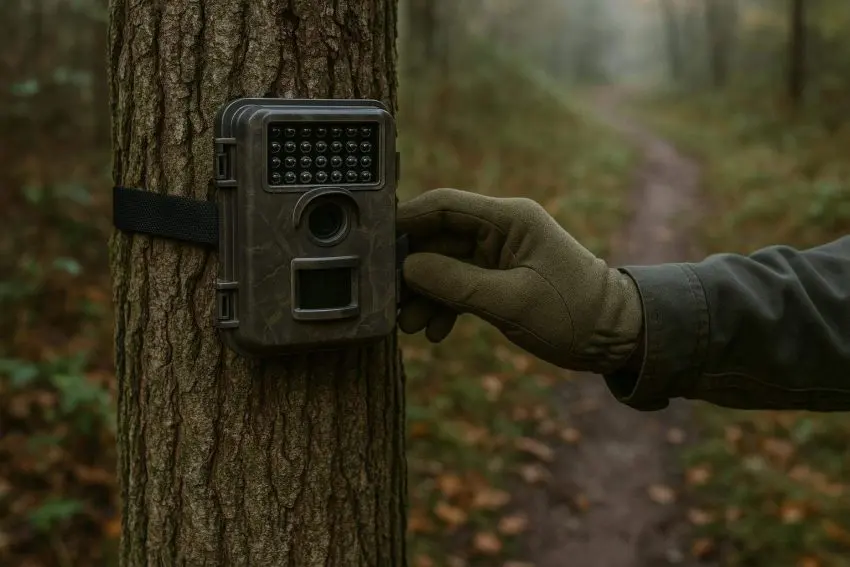
Understanding Disturbances Before the Hunt
A trail camera can reveal insights about deer patterns, such as regular movement alongside a field. However if the ground surrounding a hunting stand is hard-packed and marked with boot prints it signals a different story. The stand itself might not be at fault; the way hunters access it could be drawing attention and inadvertently pushing deer away. Any hunting club should take the time to analyze these access points-how members enter, where they typically gather and what areas they have chosen to protect. By revamping entry strategies clubs can lower hunting pressure enhance safety and ensure hunting all without relying solely on goodwill.
Identifying Access Issues
The idea of pressure in hunting goes beyond logging hours in a stand. It includes habits like parking in the same spot walking through sensitive areas or checking trail cameras at bad times. If many members do these things a good habitat can become a chronic disturbance zone for deer.
Of blaming people focus on the situation. Do deer move away after a hunter appears? Are paths being crossed by groups? Is a gate left open because nobody knows who should close it? These questions show that communication about access is broken. Fixing these problems will make hunting more strategic.
There are ways to help members use the area better: reduce foot traffic near sensitive spots use different routes or give some stands a rest period. Even if a stand is open it does not need to be used all the time.
Evaluating Access Routes
Before changing anything walk through access routes in daylight when no hunting is happening. Look for gates, steep ground, mud, livestock crossings, nearby properties and any surprises that could endanger hunters. Basic sketches or simple maps that all members can read and update help keep everyone aware of these routes.
It is important to separate access paths from hunting spots. Mark. Staging areas and the spot where hunters should stop maybe with lights or mobile alerts. If routes cross another member's path note those conflicts on the map before the season gets busy.
Don't try to fix every problem with trails or heavy changes. Those actions can damage the backdrop cause erosion and make hunters easier to spot. Instead make the smallest changes that work: move parking spots give entry and exit paths or let some areas lie fallow to help deer habitat recover.
Establishing Clear Rules for Nighttime Use
A detailed access plan needs more than a warning to be careful. Specify who can use each entry point point out the parking areas. Explain which paths to avoid. Give rules for how members should show that an area is occupied.
Deal with issues: When can gates be opened and who will close them afterward? How should visitors announce themselves? What to do if paths flood or close? Set waiting areas for hunters of having them walk straight to stands. Have a plan for late arrivals-should they wait or go to a different spot?
Set a default path and a short list of exceptions that require a call. This balance between flexibility and structure is vital especially when weather or deer behavior changes.
Prioritizing Communication
Good communication is vital for managing deer habitat. Without it quiet zones become chaotic when people do not know each other's moves. A simple message before entering can stop disturbances from vehicles, dogs or people during sensitive times.
Choose one way for the group to communicate-maybe a shared messaging app, a sign‑in log or a digital club board. Send details, like where, when to enter and exit and any odd conditions seen. Keeping messages short and clear lets members stay updated on real‑time movements.
Create a place where people share what they see even if it is a little and do not make things sound bigger than they are. Of saying "the deer have vanished " say "there are fresh tracks along the wet-weather route" so that others can take useful action. Help hunters tell the difference between what they see and what they think they see to stop the habit of using one spot too much because of wrong ideas. If anyone goes off the agreed plan speak to them away in a helpful way.
Pre-Hunt Checks and Ongoing Assessment
Prior to embarking on any access route hunters should verify an essential points:
– Make sure the path is still open allowed to walk and works with the current ground conditions.
– Check that the target spot and nearby paths do not have people, cars, animals or people who are not allowed.
– Tell everyone the plan for getting in and out especially if the usual plan has changed.
– Make sure you follow the hunting seasons, licenses, landowner rules, gun rules and any local hunting laws.
Because weather and other things can change club rules should be followed more carefully than normal public rules. Before you start hunting look at the guidelines from the wildlife agency or other authorities to make sure you are following the rules.
After the hunt have a talk to see if the path you used made noise or upset people than you expected. Things like ground new ways in, nearby farms moving animals or what neighbors do may mean you need to think again about safe ways to go. Look at this information away while it is still fresh so you can change your plan instead of using the same plan for every situation.
Good care in a hunting club usually means making important choices. It can mean skipping a stand picking a longer way in closing gates tightly or telling everyone clearly before dawn. In the end the best plan is not the most complicated; it is the one that everyone, in the group understands well uses all the time and changes when needed for results.